In short: OEM means you bring the drawings and we build to your print — IP is yours, MOQs are higher because tooling has to amortize, and lead times are longer because we are making something new. ODM means you bring the brand position and we adapt one of our existing platforms — your colorway, your packaging, your logo on a product that already exists. ODM gets you to market faster at lower MOQs. OEM gives you a product nobody else sells. Most buyers we work with start with ODM, prove the program in market, then move to OEM for high-volume SKUs once the demand is real.
The honest definitions, without the jargon
OEM and ODM are used loosely across the industry. Here is how we define them in our quotes:
- OEM (Original Equipment Manufacturing) — you supply the design (drawings, 3D model, materials, tolerances). We tool and produce. The mold belongs to you; the product is yours; we cannot sell it to anyone else.
- ODM (Original Design Manufacturing) — we supply the base design from our existing platform. You customize the colorway, branding, packaging, and sometimes small dimensional details. The base platform stays ours; the customization is yours.
Which one fits your situation
| Variable | OEM | ODM |
|---|---|---|
| Typical MOQ per SKU | 2,000+ | 300–1,000 |
| Tooling cost | Buyer-funded | Amortized in unit price |
| Time to first shipment | 14–22 weeks | 6–10 weeks |
| IP ownership | Buyer | Factory (base), buyer (artwork) |
| Differentiation | High — unique product | Brand and packaging level |
| Documents needed from you | Drawings, BOM, tolerances | Color refs, logo, packaging artwork |
When OEM is the right call
- You have predictable annual volume per SKU (we typically see breakeven around 8,000+ units/year).
- You can fund tooling upfront and can wait through the longer NPD timeline.
- Your brand position genuinely needs a product that nobody else sells.
- You have the engineering documents ready — drawings, BOM, materials with grades, tolerances.
When ODM is the right call
- You are launching a new range and need market feedback before committing to tooling.
- Your differentiation lives in your colorway, packaging, retail story — not the basket geometry.
- You want first containers in two months, not five.
- You want to start with one SKU range and expand later.
What we recommend in practice
Most buyers we work with land somewhere in the middle: ODM for the first year, then convert the volume SKUs to OEM in year two or three. That gives them the speed of ODM upfront, the volume data to justify tooling investment, and the differentiation of OEM once the program is proven.
We are not pushing you to one or the other. We will quote whichever fits the program, including a mixed program where some SKUs are ODM and others are OEM. That mix is common and works fine.
FAQ
Q: Can you do both OEM and ODM in the same factory?
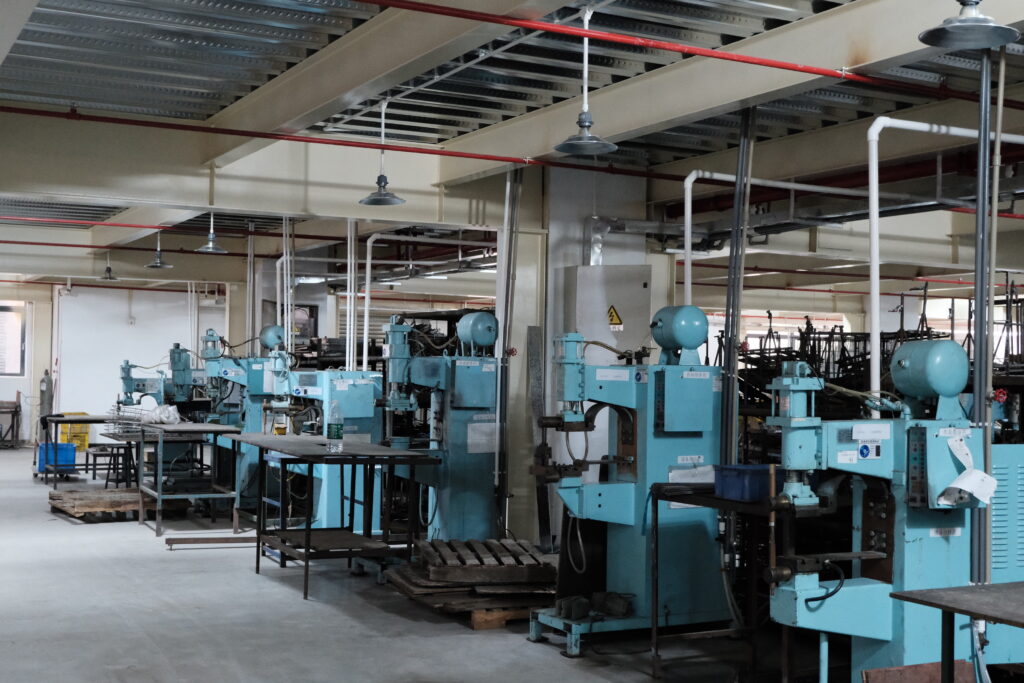
A: Yes. We run both side-by-side. ODM funds platform improvements that all buyers benefit from; OEM funds buyer-specific tooling that one buyer keeps exclusive.
Q: Who owns the mold in OEM?
A: You do, when you fund it. We put it in writing — mold serial numbers, your name on the mold, the transfer rights if you ever decide to move production.
Q: What documents do I need to provide for an OEM quote?
A: 2D drawings with dimensions and tolerances, a 3D model if you have one, the BOM with material grades (e.g., 304 stainless or low-carbon steel with chrome plating spec), and any test standards you want us to certify to.
Q: Will ODM products show up at my competitors?
A: The base platform may, with different colors and logos. We offer regional exclusivity clauses for ODM programs — territory and duration — so the colorway and branded version of the SKU stays yours in your market.
Q: How long should I expect ODM samples to take?
A: Two to three weeks for standard colorway and packaging samples from existing platforms. Add a week if a new color match requires a powder-coat trial batch.